The Feminine Mysteries-
Beauty
“I wish I could show you the astonishing light of your own being”
Practices
Meditating on nature
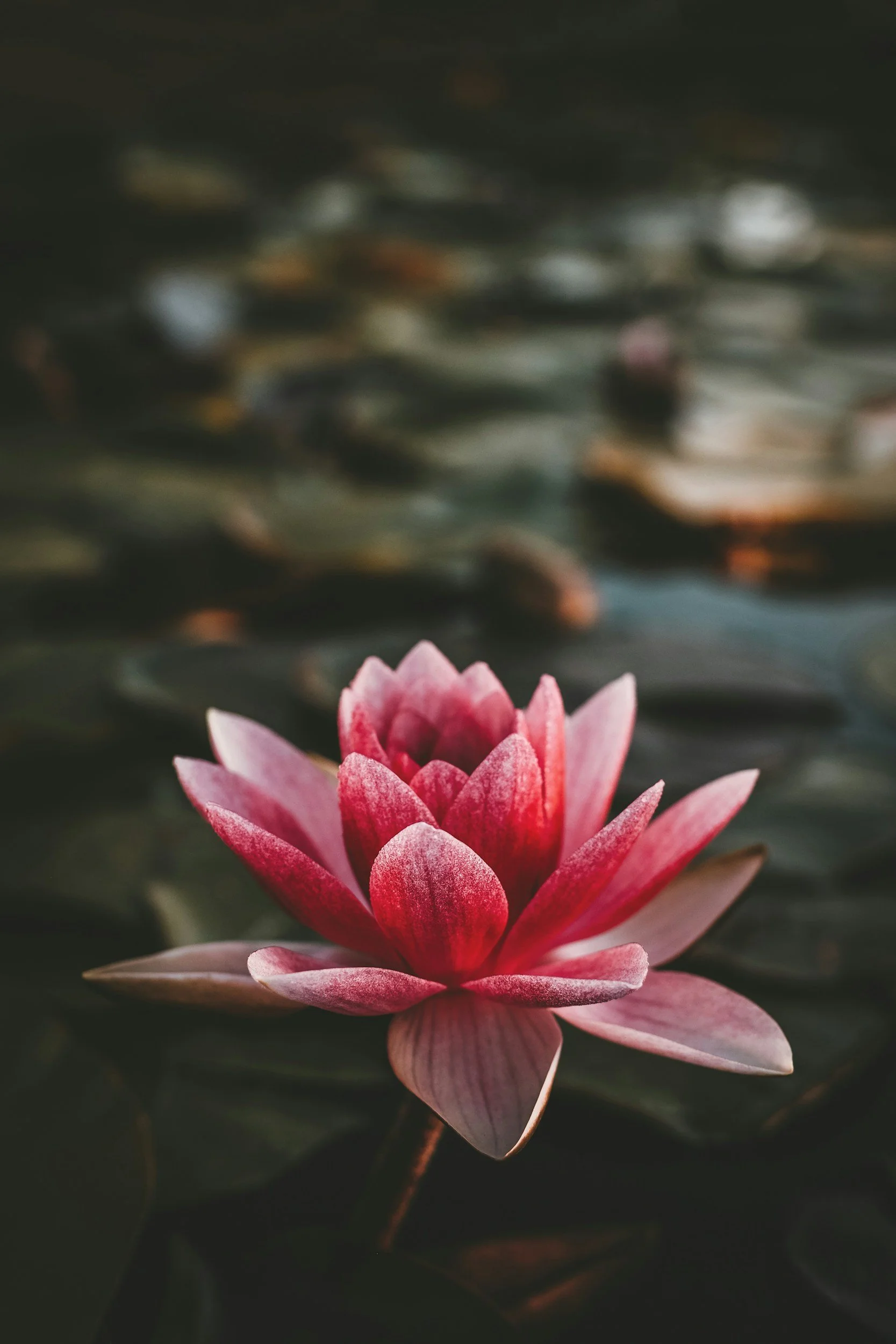
The first two meditations are an invitation to slow down and notice how we relate to beauty.
For the first meditation, choose a small object in nature that you naturally find beautiful, a flower, a leaf, a shell, a feather, or anything that draws your eye. Sit with it outdoors if possible, placing it at eye level.
For the second meditation, choose something from nature that you do not immediately experience as beautiful. Again, keep it simple and small, something you can comfortably hold or place at eye level. This practice is not about forcing beauty where you do not feel it, but about becoming aware of your reactions, assumptions, and the ways attention can shift perception.
If you are unable to be outside, you can create the experience indoors by bringing nature to you, perhaps a rose or flower for the first meditation, and another natural object that you would not normally choose or consider beautiful for the second.
You will use the same recording for both sessions.
Mirror Meditation
This meditation is done sitting in front of a mirror.
The focus is on observing yourself without judgment or mental narrative, with simple curiosity.
It may take time to move beyond habitual perception of appearance, so patience and compassion is recommended.
walking gaze of beauty
This meditation invites you to take the gaze of beauty into your day, as you are wondering through your regular life as a walking meditation. Play as you are moving through your day.
When I encounter beauty, what happens in my body and heart?
Where do I struggle most to see beauty and why?
What would it look like to practice seeing beauty in the ordinary, the broken, and the imperfect?
Where do I find it difficult to see my own beauty?
What would it feel like to truly inhabit my radiance?
Journal prompts
In the Presence of Beauty
Last year, I was fortunate to encounter the teachings of the Sufis, and what touched me most deeply were their insights on beauty. Since that encounter, I have been gently unraveling the history of self-abuse I carried through my teens and twenties, especially in relation to my body and my sense of beauty. This journey has awakened within me a profound longing—to know beauty more intimately and to be shaped by its divine wisdom.
To live as beauty.
It is said that beauty is the illumination of the soul, and wherever we find beauty, we find God — or Goddess. When something is beautiful, it is in tune, harmonious- both inwardly and outwardly.
We are naturally drawn to beauty because we come from harmony.
Beauty reminds us of our true home.
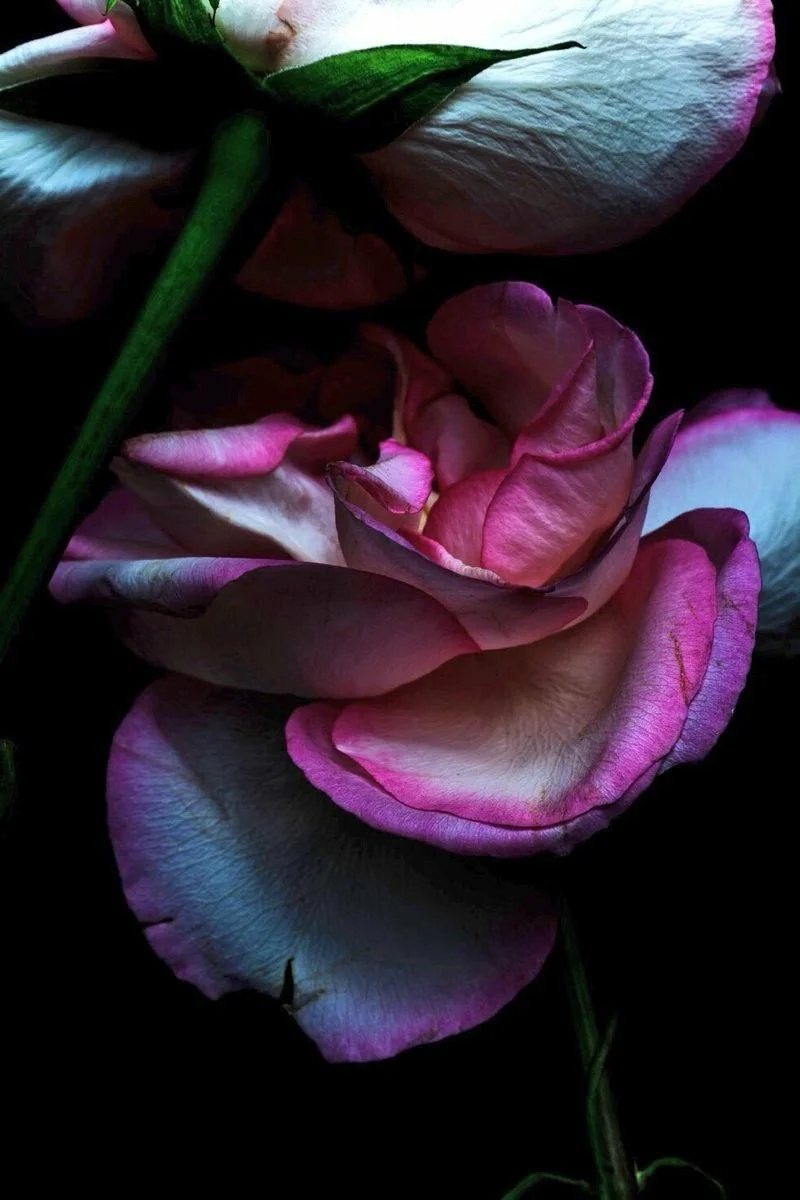
For the past months, I have been absorbed in the ecstasy of roses — drinking rose tea, drying rose petals, anointing myself with rose oils. There is something that honestly feels like home when I connect with the fragrance and colour, the way each petal folds into its curved heart. My daughter describes the scent as “heavenly,” and she is right. It is a gift from heaven.
It is harmony. It is home.
“A rose blooms not for itself, but for the joy of the world.”
In Sufism, there is a word for beauty — the beauty of God: Ya Jamil.
Ya Jamil is the invocation of divine beauty, the remembrance that invites us to see the world, and ourselves, through the lens of God’s harmony. It teaches that divine beauty is reflected in all creation, and that through repeating this name, we purify the heart and align ourselves with this truth.
The paradox of life is that behind everything — the source of everything — is inherently harmonious, radiant with divine beauty. Yet our gaze upon life determines whether we connect with this ultimate truth.
There have been periods in my life where I cannot see the beauty of this world. I still have days and moments when my focus is on what is missing — in my life and in the world. I have been heartbroken again and again by what has felt like the absence of harmony in humanity since I was a teenager. Even today reading about Iran and what is happening there, it takes a lot of effort to not fall into despair.
“Beauty is not in the things you see, but in the mind that sees them.”
I once read that beauty is not decoration, but revelation. If God’s beauty is reflected in all creation, how do I shift my mind to become one that truly sees it? It is easy to recognize beauty in a rose — an object that radiates perfection — but can I also perceive beauty in places that do not immediately hold this form? Can I sense the same essence in myself and in others, even when outer appearances seem to veil it?
I am discovering that the gaze of beauty is a choice — we choose what we perceive. I have observed that when I am in a state of sensing the world in its beauty, I experience a subtle ecstasy of the heart, It feels like a delicate rapture.
Have you felt this too?
When I am in the perception of what is not beautiful, when my focus rests on the harshness of the world, the lack of grace, I notice that I feel separate and disconnected from a nourishment that I long to rest in.
“When harmony is absent from our sight, it is not life that is veiled — it is our vision.”
Beauty refines the heart as It cultivates gentleness, sensitivity, and compassion. A love of beauty naturally leads to a love of goodness. We cannot be cruel or hardened when we truly perceive the beauty of life. It awakens reverence — for life, for others, for existence itself.
The Mirage of Beauty
I watched a video recently of a woman in her sixties speaking about the cosmetic industry and in particular the pressure women face in needing to maintain a youthful body and appearance.
“What if every wrinkle was valued as beautiful — a testimony to every smile that has passed over us through a lifetime? Look at the majesty of the ancient trees in our forests, this is the beauty of life revealing, every fold and twist in her roots a legacy of love.”
I have experienced firsthand the entrapment of modern culture's illusion of beauty, where my worth and attractiveness were judged solely by the shape of my body and my outward appearance. This relentless pressure led to years of anorexia and body dysmorphia, as I desperately tried to ‘correct’ my body to fit an impossible standard of what was considered beautiful.
It is difficult to see just how deep the roots of our collective obsession with appearance run, how insidious it is. This fixation with outward form is not harmless — it distorts perception, fosters shame, and keeps us disconnected from the light of our own souls. It is one of the greatest harms perpetuated by forces that enslave us, convincing us that our worth is contingent on fleeting images of beauty rather than the eternal radiance of who we are. We are veiled from the gaze of God, and we veil ourselves from seeing God in one another.
The other day, I discovered a series of videos by a man in the UK who approaches strangers and offers them flowers. Most were elderly people, primarily women. When he told them, “You are beautiful,” and placed the flowers in their hands, an extraordinary radiance poured forth. Their souls shone through their eyes, and the youth of their spirit ignited. It was a breathtaking display of harmony — a living reminder that the soul is beautiful beyond all form.
So
I invite you to hold out your hands,
and receive the bouquet of magenta roses I delicately place in them.
Their fragrance is nothing short of heavenly.
Ya Jamil.
You are beautiful.